Sustainability in design has moved past the awareness stage. Most designers and consumers now accept that the way we produce, consume, and discard designed objects needs to change. The harder question is how—specifically, which practices actually reduce environmental impact without making the work worse. After years of greenwashing and vague commitments, the industry is finally developing a practical toolkit that works.
Design for Longevity
The single most sustainable design decision is making things that last. This sounds obvious, but it runs counter to the business models that dominate fashion, furniture, electronics, and graphic design. A garment designed to survive 200 washes instead of 20 displaces nine future purchases. A piece of furniture designed to be repaired rather than replaced stays out of landfill for decades. The field of fashion design is increasingly incorporating durability as a core design principle rather than an afterthought.
Designing for longevity means choosing materials honestly. It means stress-testing seams, specifying hardware that won't corrode, and creating visual designs that won't feel dated in two seasons. It requires resisting the temptation to build in obsolescence—planned or aesthetic—and trusting that customers will value durability enough to pay for it.
Material Selection Matters Most
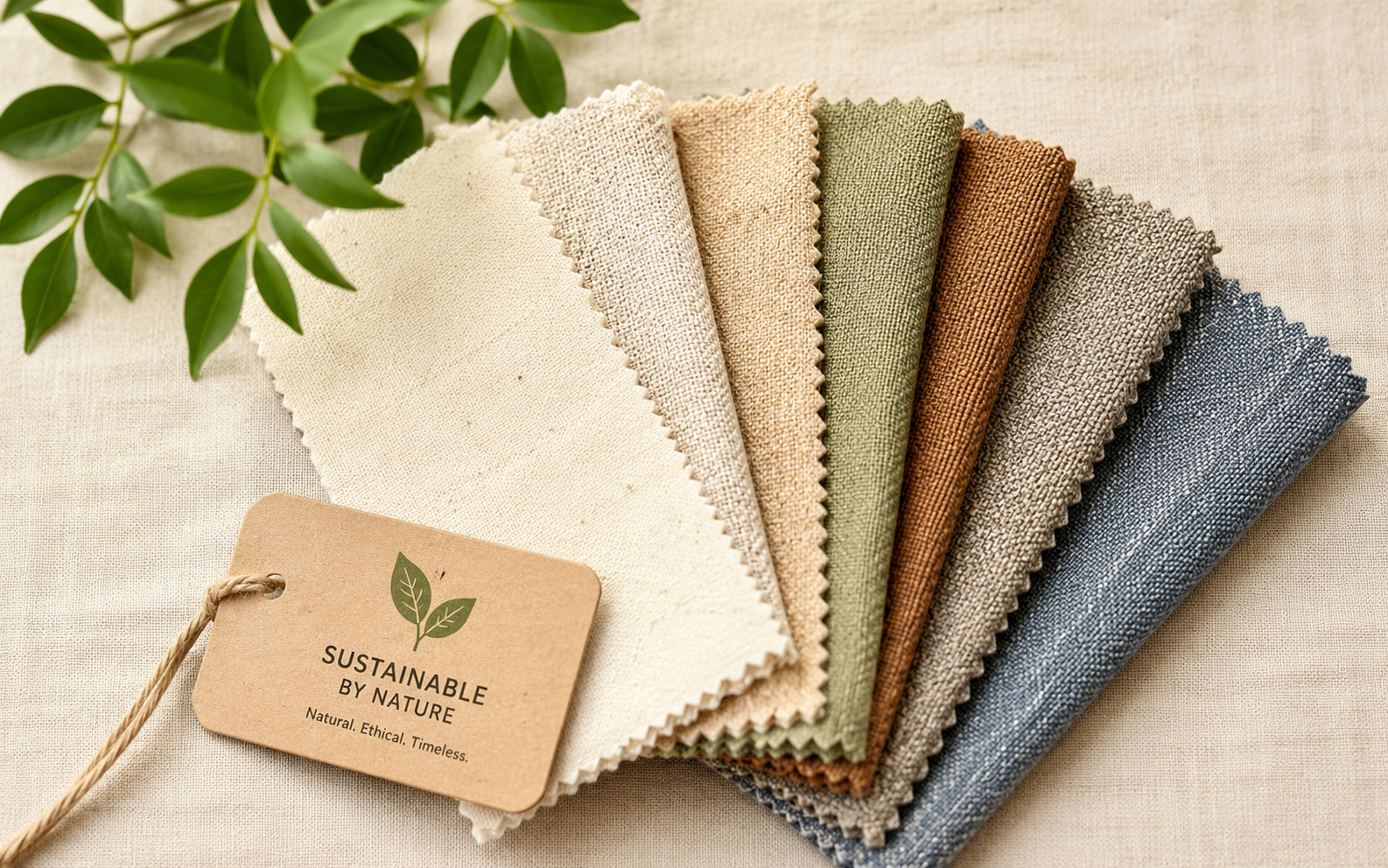
Roughly 70% of a product's environmental impact is determined at the design stage, before a single unit is manufactured. Material selection is the biggest lever designers have. Choosing organic cotton over conventional cotton reduces water usage by 91% and eliminates synthetic pesticide exposure. Choosing recycled polyester over virgin polyester cuts carbon emissions by approximately 75%.
But material selection isn't just about switching to "green" alternatives. It's about understanding the full lifecycle of every input. Bamboo fabric sounds sustainable until you learn that the chemical processing required to turn bamboo into viscose can be highly polluting. Bio-plastics sound promising until you discover that most require industrial composting facilities that don't exist in most municipalities. Good sustainable design requires designers to look beyond marketing claims and examine the actual production processes behind their materials.
Waste Reduction in Practice
Zero-waste pattern cutting—where every piece of fabric in a garment pattern is used, leaving no offcuts—has moved from experimental technique to mainstream practice. Designers like Timo Rissanen and Holly McQuillan have developed methods that eliminate textile waste entirely from the cutting stage. Their patterns look radically different from conventional ones, but the finished garments are indistinguishable from traditionally cut pieces.
In graphic and product design, waste reduction often means dematerialisation—achieving the same function with less physical material. Lighter packaging, thinner substrates, digital-first workflows that reduce print waste. A packaging designer who reduces a box's material weight by 15% across a run of 500,000 units has a measurably larger environmental impact than most individual recycling efforts.
Systems Thinking Over Individual Actions
The most impactful sustainable design practices operate at the system level rather than the individual product level. Designing modular furniture that can be reconfigured rather than replaced. Creating clothing care labels that actually help garments last longer. Developing return and repair programmes that keep products in use rather than in landfill.
This systems approach requires designers to think beyond the moment of sale. The product's life doesn't end when the customer takes it home—that's when its environmental impact truly begins. How will it be washed, stored, repaired, and eventually disposed of? Designers who ask these questions at the sketch stage produce work that's not just more sustainable but often more thoughtful and better made. Sustainability, when practised seriously, tends to improve design rather than constrain it.