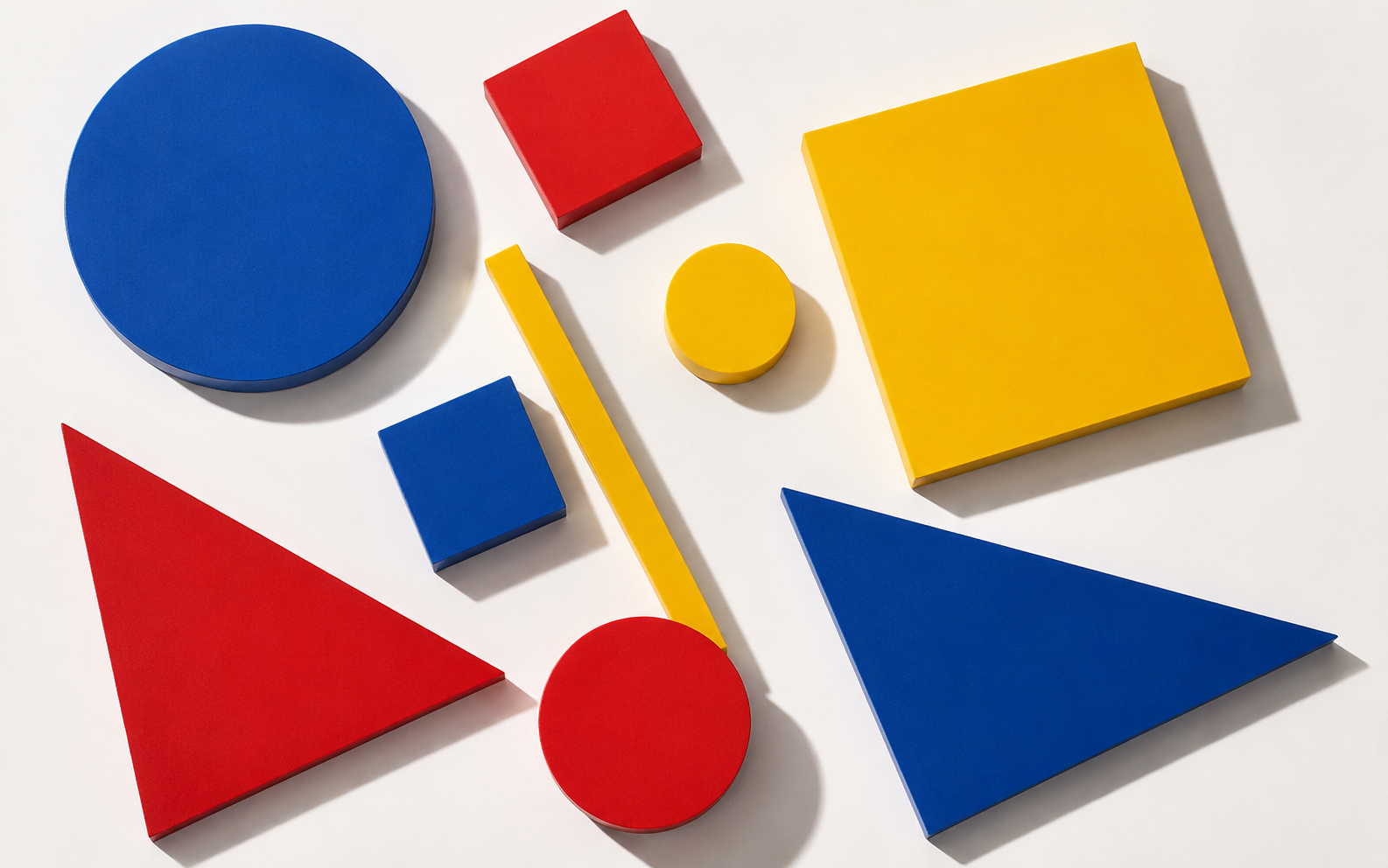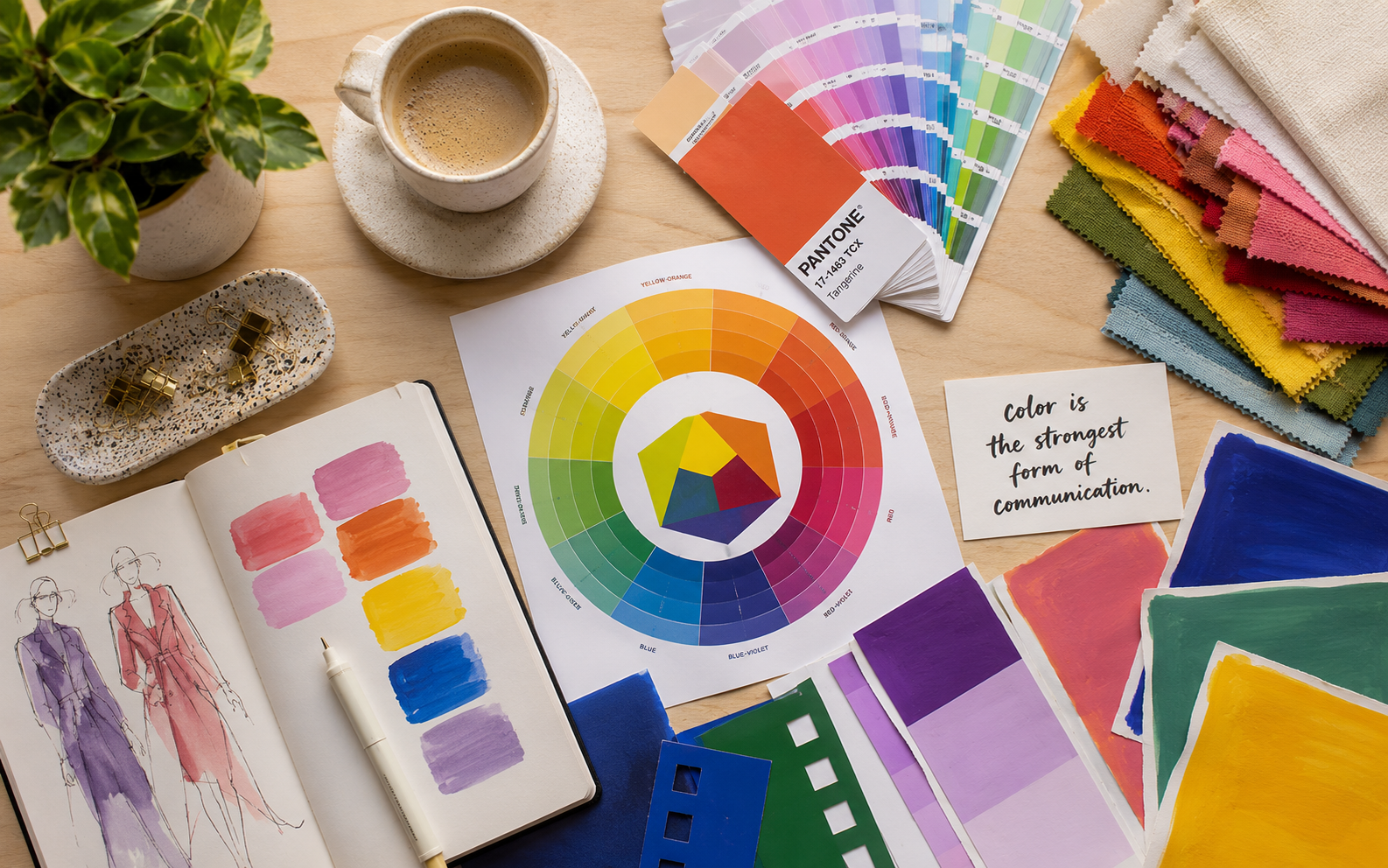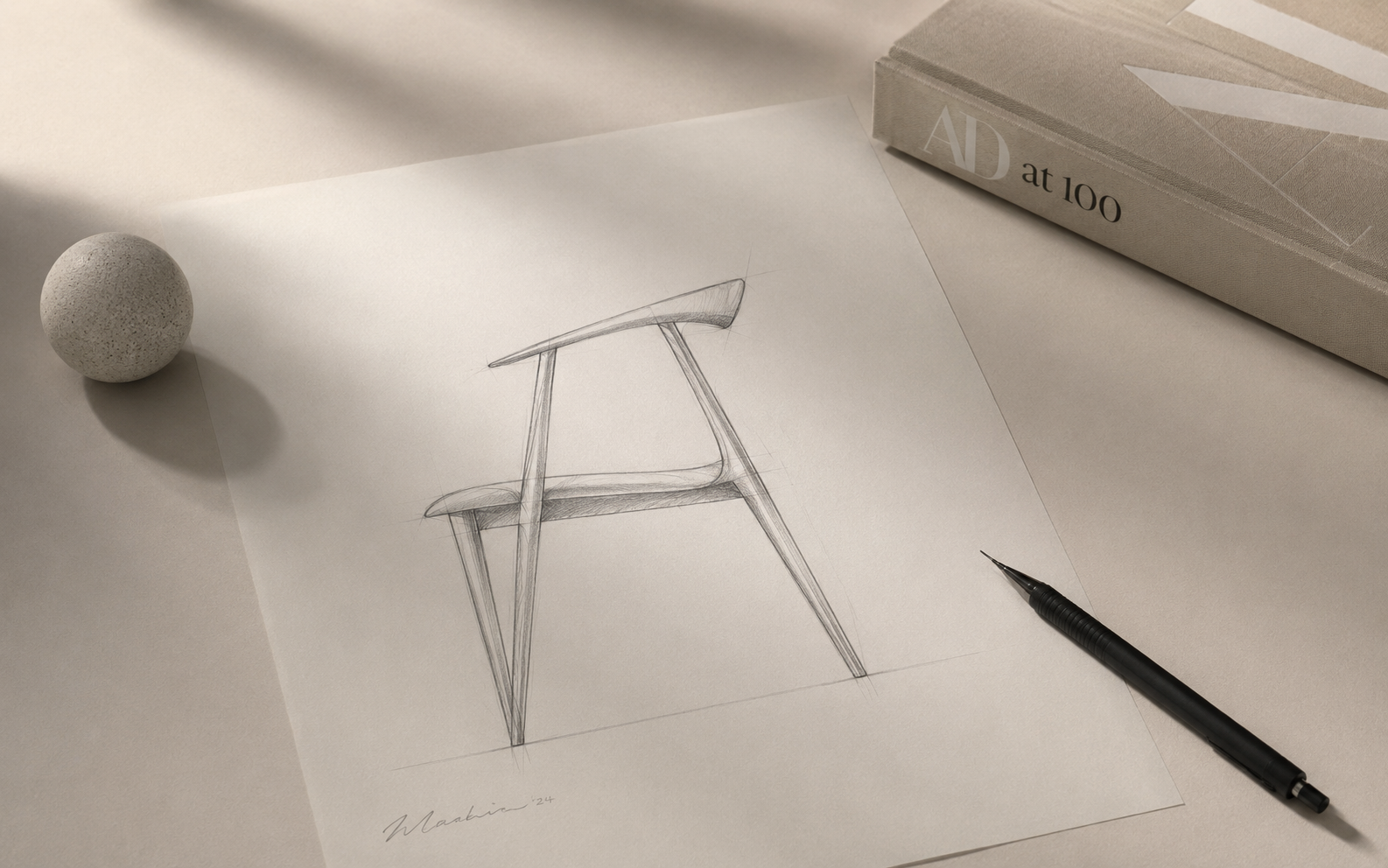
Walk into any design museum and you'll notice something curious. The objects that still feel fresh after 50 or 60 years rarely look like they were trying to be timeless. They just solved a problem so cleanly that nothing better came along to replace them. Timelessness in design isn't a style—it's a side effect of getting the fundamentals right.
Simplicity Without Emptiness
The most enduring designs tend to be simple, but simple in a specific way. They strip away ornamentation without stripping away personality. Think of the Helvetica typeface, the Eames lounge chair, or a plain white Breton stripe shirt. Each is minimal, yet each carries a distinct visual identity that competitors have spent decades trying to replicate.
This isn't minimalism for its own sake. It's the result of editing—removing elements until only the essential ones remain. The designer Dieter Rams called it "as little design as possible," which sounds contradictory but captures something real. When every element in a composition earns its place, nothing feels dated because nothing was there for decorative trend-chasing in the first place.
Function as Foundation
Timeless designs almost always begin with function. The trench coat endures because it genuinely protects you from rain. The Swiss railway clock endures because you can read it from 50 metres away. When form follows function honestly, the aesthetic tends to age well because human needs don't change as fast as fashion cycles do.
That's not to say beauty doesn't matter. It matters enormously. But the beauty in lasting design usually emerges from how well something works rather than from surface decoration layered on top. A well-proportioned ceramic mug that fits perfectly in the hand will outlast a novelty mug every time.
Material Honesty
Designs that age well tend to be honest about their materials. Solid wood furniture develops a patina. Raw denim fades in patterns unique to the wearer. Brass hardware darkens gracefully. These materials don't pretend to be something they're not, and they improve with use rather than deteriorating.
Contrast this with designs that rely on synthetic finishes mimicking natural ones—fake wood grain, faux leather, chrome-plated plastic. These often look passable when new but become obviously cheap as they wear. Timeless design embraces aging because it chooses materials that age with dignity.
The Confidence to Be Quiet
Perhaps the most underrated quality of timeless design is restraint. Trend-driven work shouts for attention because it knows its window is short. A truly timeless piece doesn't need to announce itself. It's comfortable being quiet, knowing it'll still be relevant when louder designs have been forgotten.
This applies across disciplines—from fashion to furniture to graphic identity. The logos that survive decades are rarely the ones that chased the design trends of their era. They're the ones that found a clear, distinctive mark and had the confidence to leave it alone. Timeless design, ultimately, is patient design. It trusts that good work will speak for itself, given enough time.