Something shifted in the fashion world during the past few years, and it wasn't just hemlines. After decades of fast fashion dominance, a growing number of consumers started asking a surprisingly simple question: who actually made this? That question has fuelled a quiet but persistent revival of handmade garments, artisanal techniques, and small-studio production that's reshaping how people think about what they wear.
Why Handmade Is Having a Moment
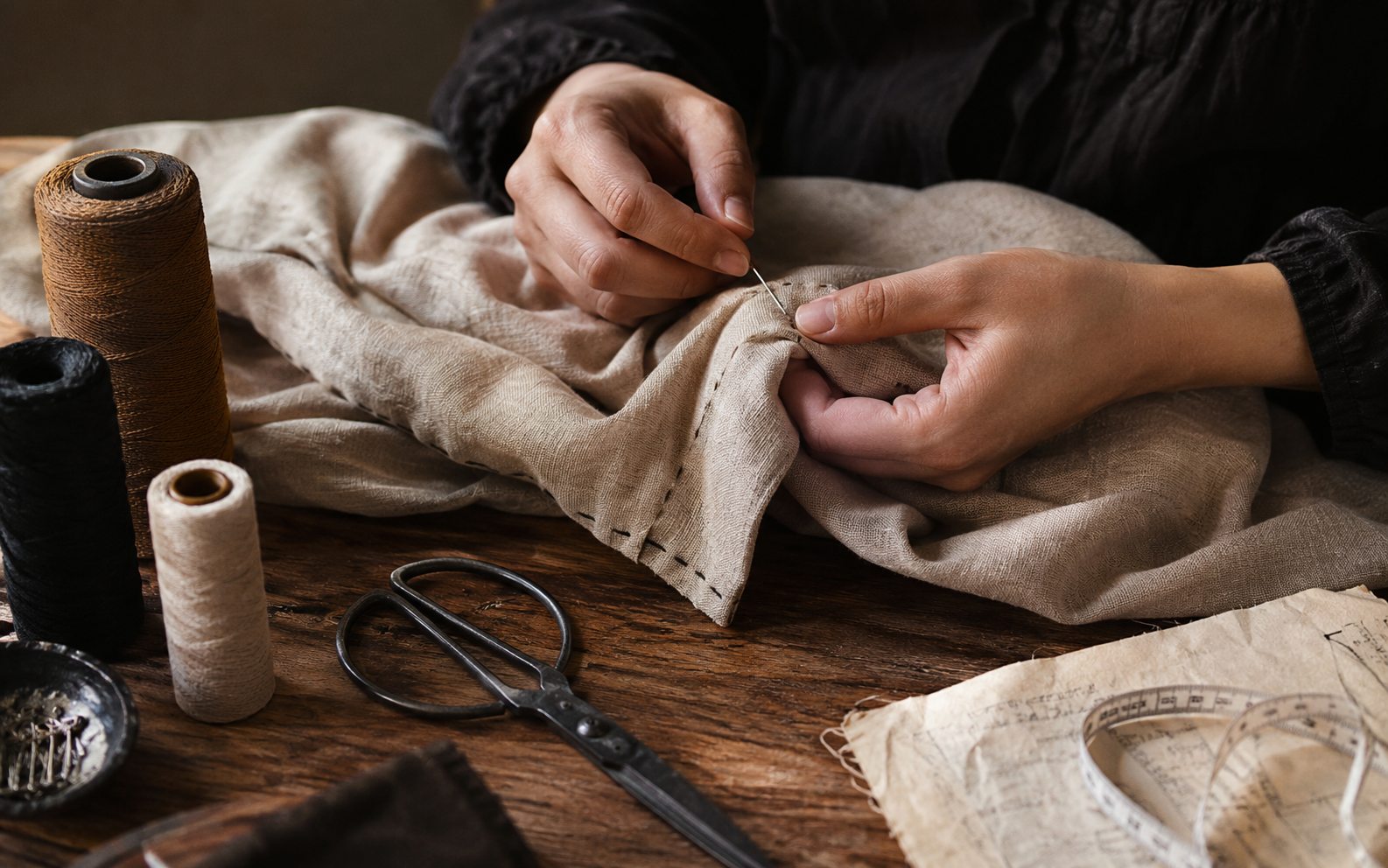
The appeal isn't purely nostalgic, though nostalgia certainly plays a role. Handmade fashion offers something mass production can't: irregularity. A hand-stitched seam sits slightly differently from a machine-cut one. A naturally dyed fabric carries subtle colour variations that synthetic processes iron out. For buyers tired of wearing the same silhouettes as everyone else, these imperfections become selling points.
There's also the transparency factor. When a maker can tell you exactly where the wool was spun and who wove the cloth, it creates a connection that a multinational supply chain simply can't replicate. Around 34% of consumers under 35 now say they'd pay more for a garment with a traceable origin story, according to recent industry surveys.
The Makers Leading the Charge
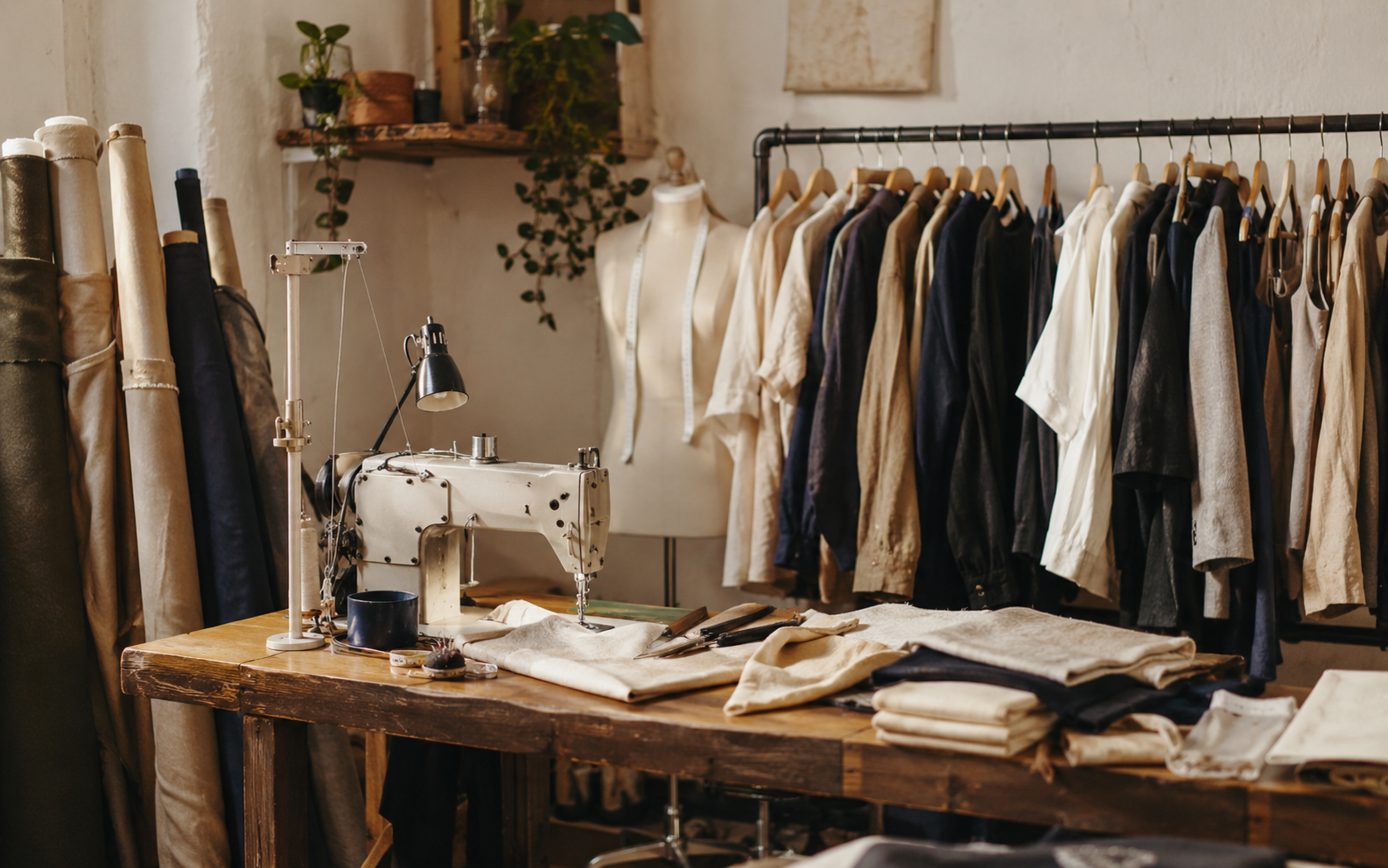
Small labels are driving much of this movement. Studios with fewer than ten employees are producing knitwear, tailored jackets, and accessories using techniques their grandparents would recognise. Some work exclusively with deadstock fabrics—leftover material from larger manufacturers that would otherwise go to landfill. Others focus on heritage crafts like hand-loom weaving or vegetable tanning.
What's interesting is that these makers aren't positioning themselves as luxury brands. Many price their work in the mid-range, arguing that handmade doesn't have to mean unaffordable. A hand-knit jumper from a British wool studio might cost £120—more than a high-street version, certainly, but less than a designer label and built to last five times longer.
Technology Meets Tradition
The handmade revival isn't anti-technology. Many of these makers use Instagram and TikTok to document their process, giving customers a behind-the-scenes look at how garments come together. Some use laser cutters for pattern pieces while still assembling by hand. Others rely on e-commerce platforms that would have been unimaginable to craft workers a generation ago.
This blend of old methods and new tools is what makes the movement sustainable in the business sense. A maker in rural Portugal can now sell directly to a customer in Tokyo without needing a distributor, a showroom, or a retail markup. The internet didn't replace craftsmanship—it gave it a global shopfront.
What It Means for the Industry
Major brands are paying attention. Several fast fashion companies have launched "artisan" sub-lines, though critics argue these often amount to marketing rather than meaningful change. The real impact is at the grassroots level, where a new generation of fashion designers is choosing to work small on purpose rather than scaling up at all costs.
Whether this movement will fundamentally alter the fashion industry's economics remains to be seen. But for the growing community of makers who stitch, weave, and cut by hand, the return to craftsmanship isn't a trend—it's a correction. And for buyers who've grown weary of disposable clothing, it's exactly what they've been looking for.